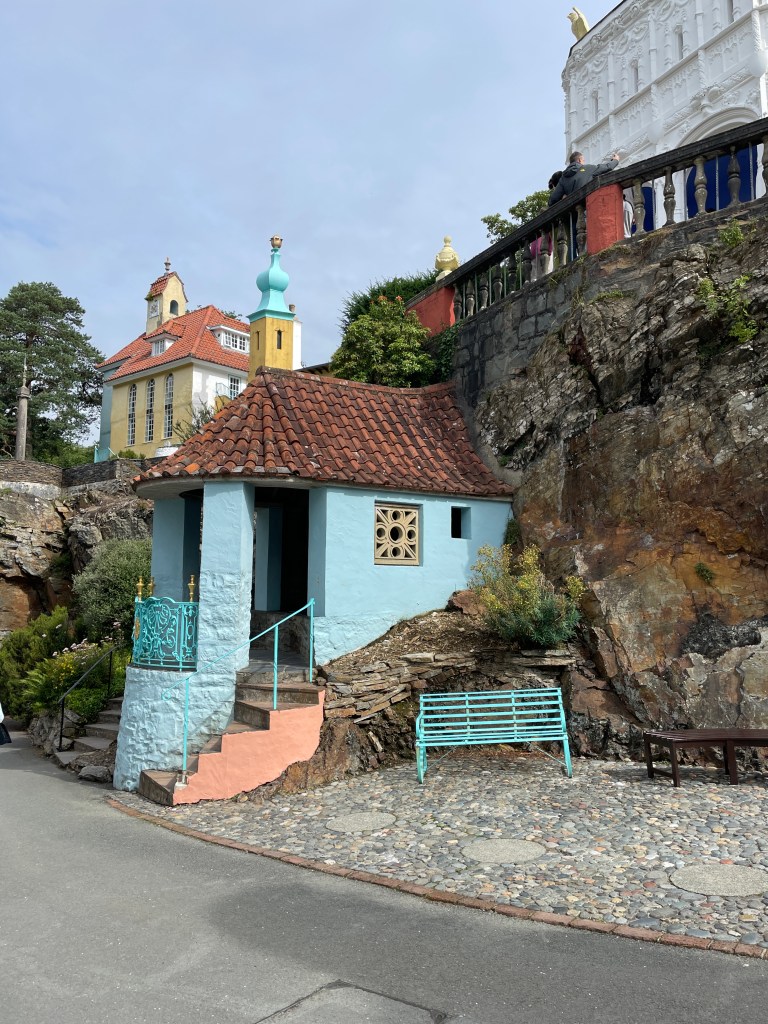
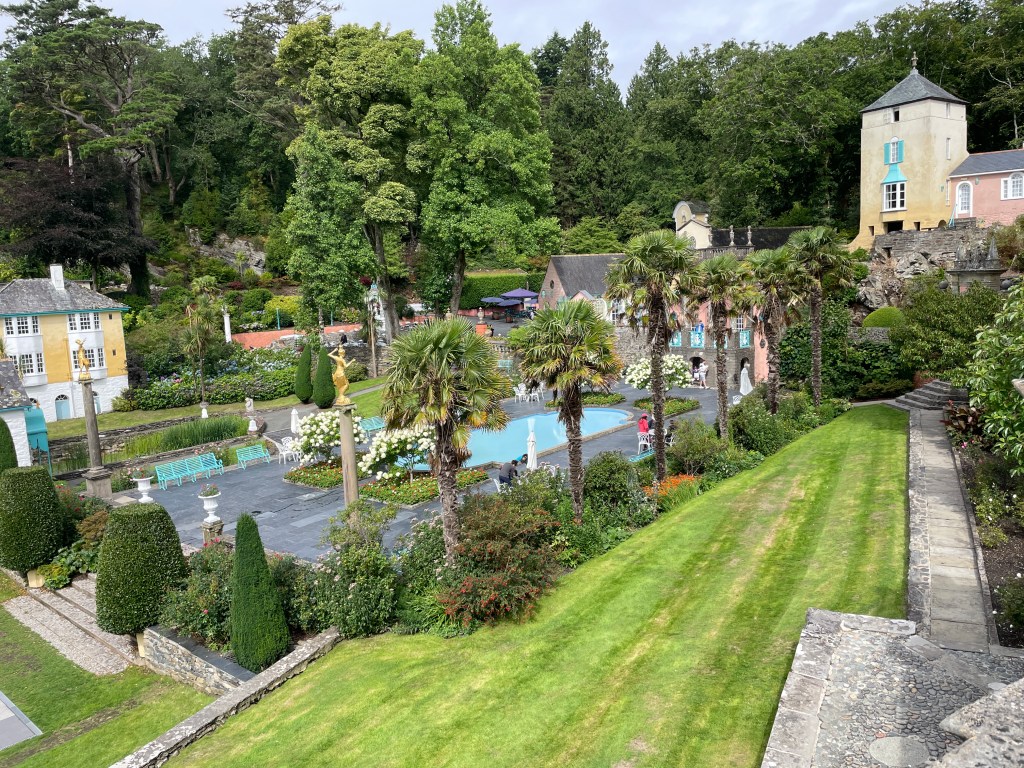
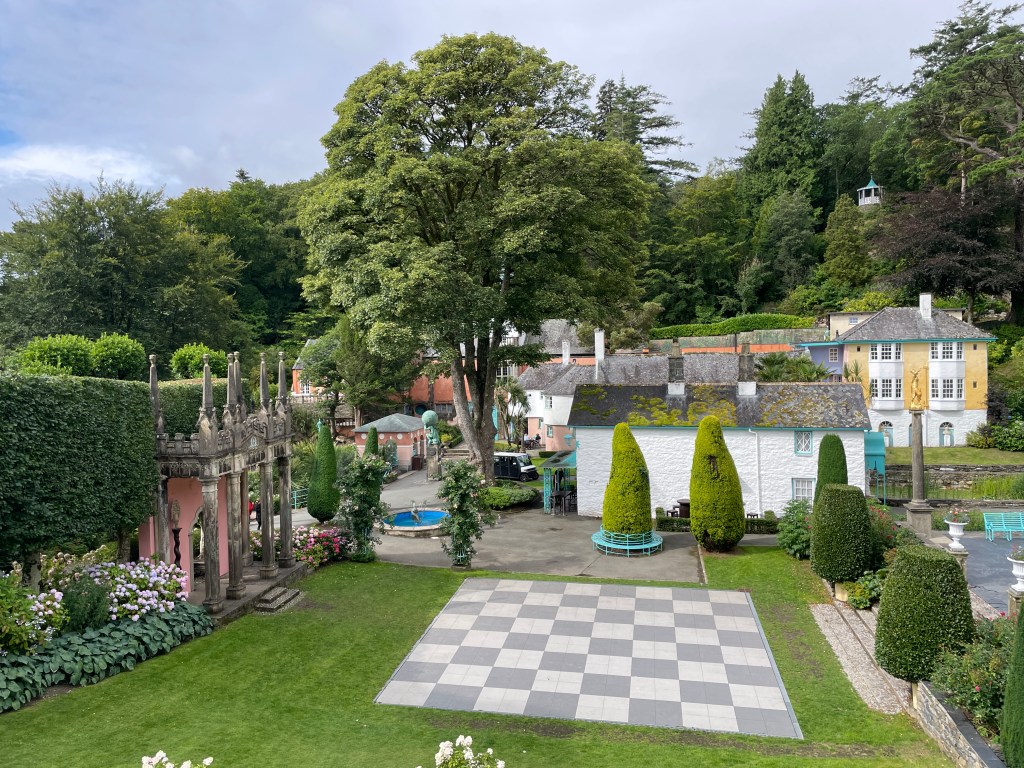
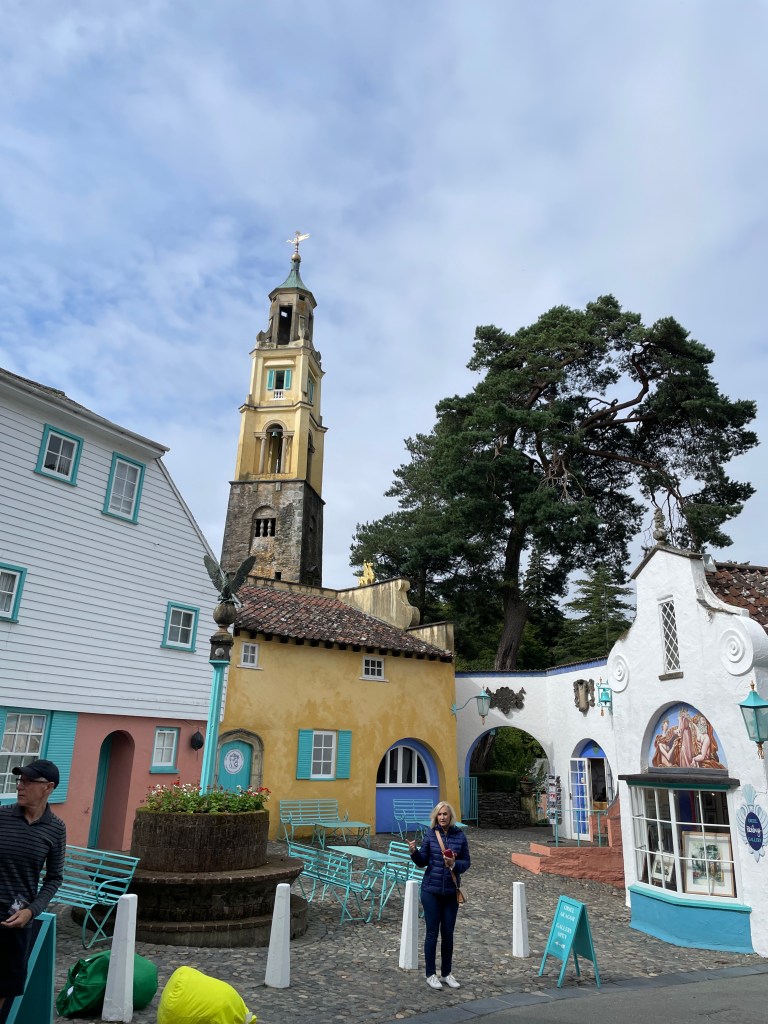
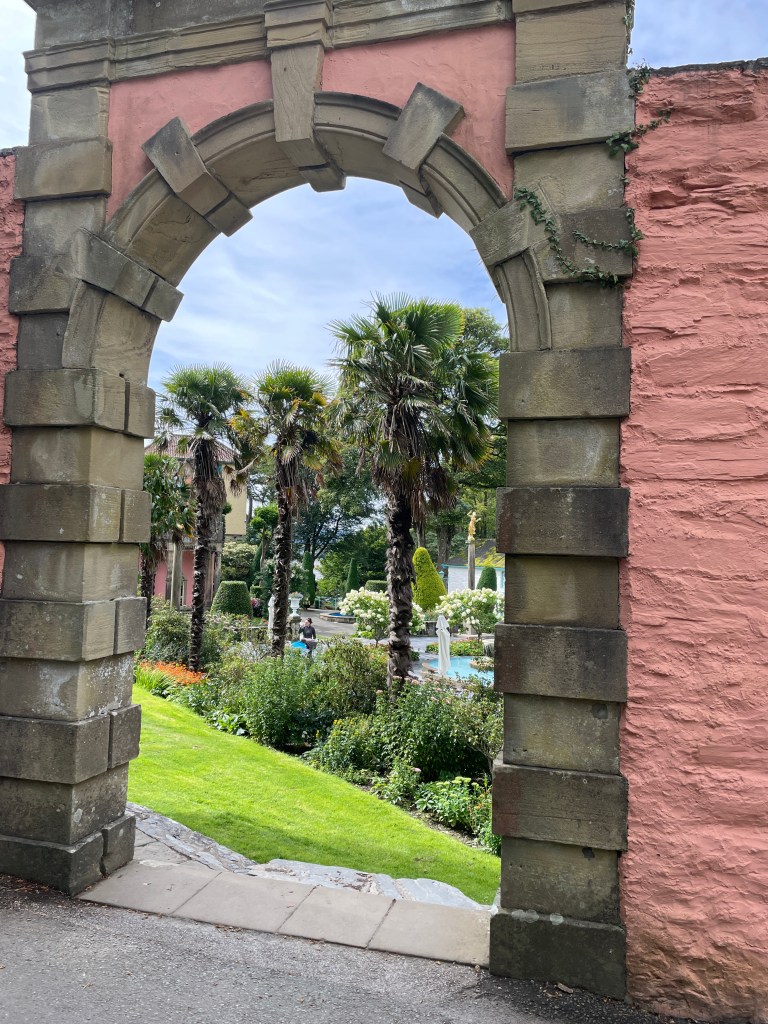
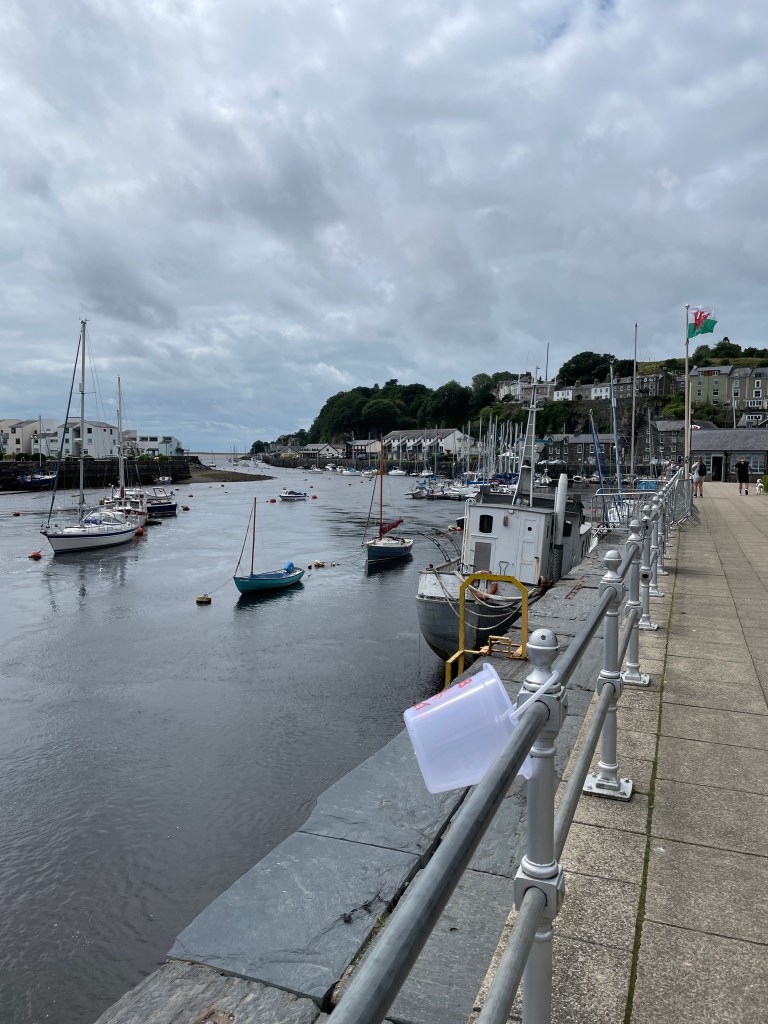
Near to Caernarfon, we were told we must visit Portmerion, a folly tourist village designed and built between 1925 and 1975 in the Baroque style. It was certainly very cute and interesting to wander around. It was quite beautiful in its own way, at the same time quite artificial for the area. Nearby, the village of Porthmadog gave us coffee and lunch options in much more authentic setting.
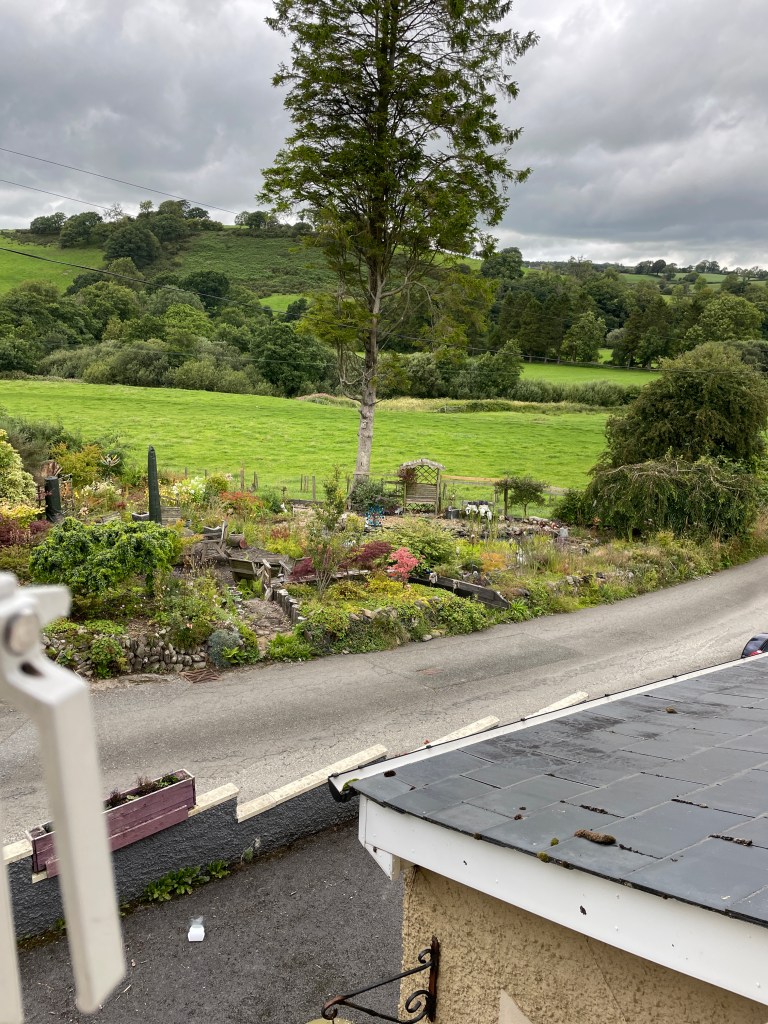
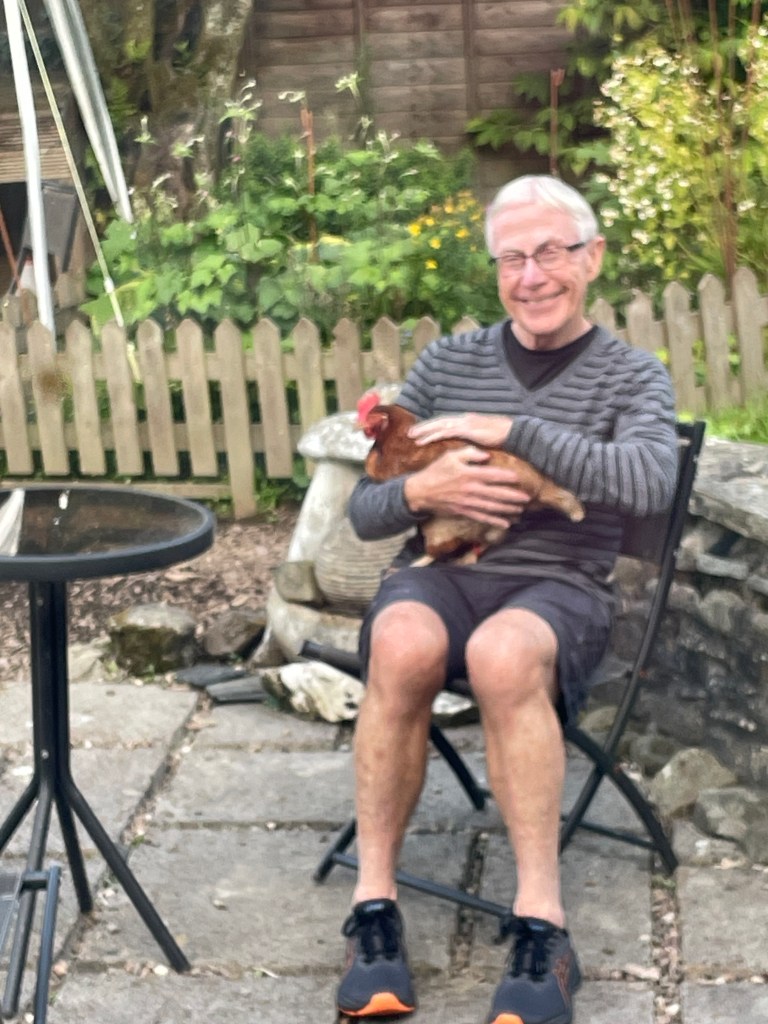
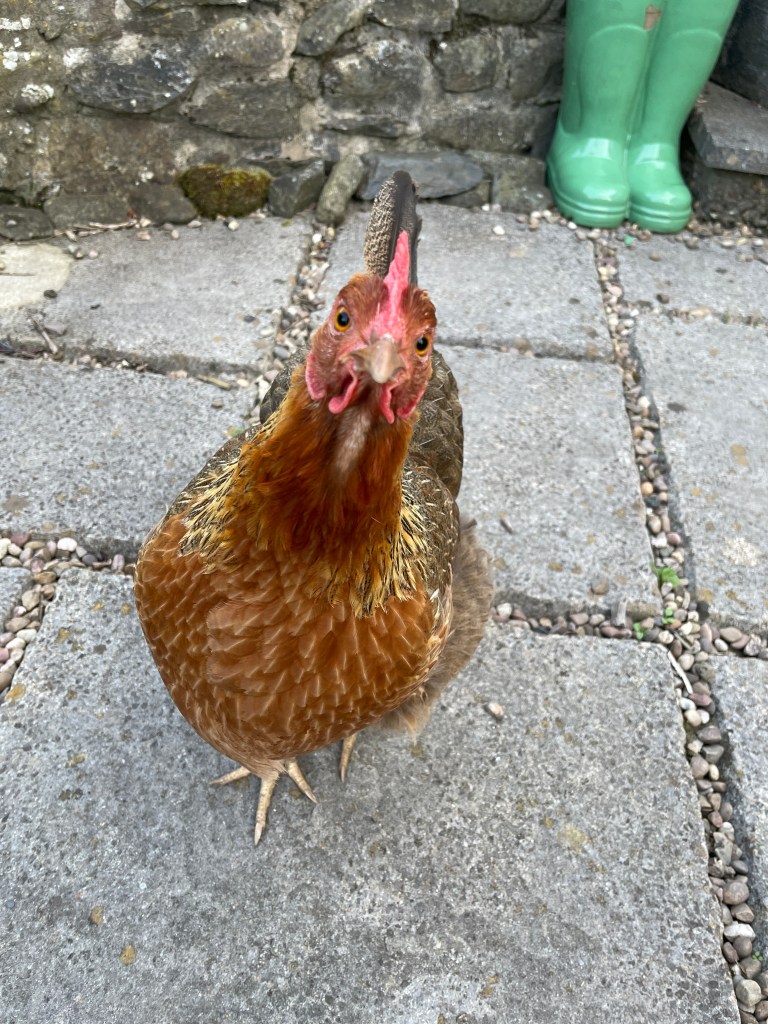
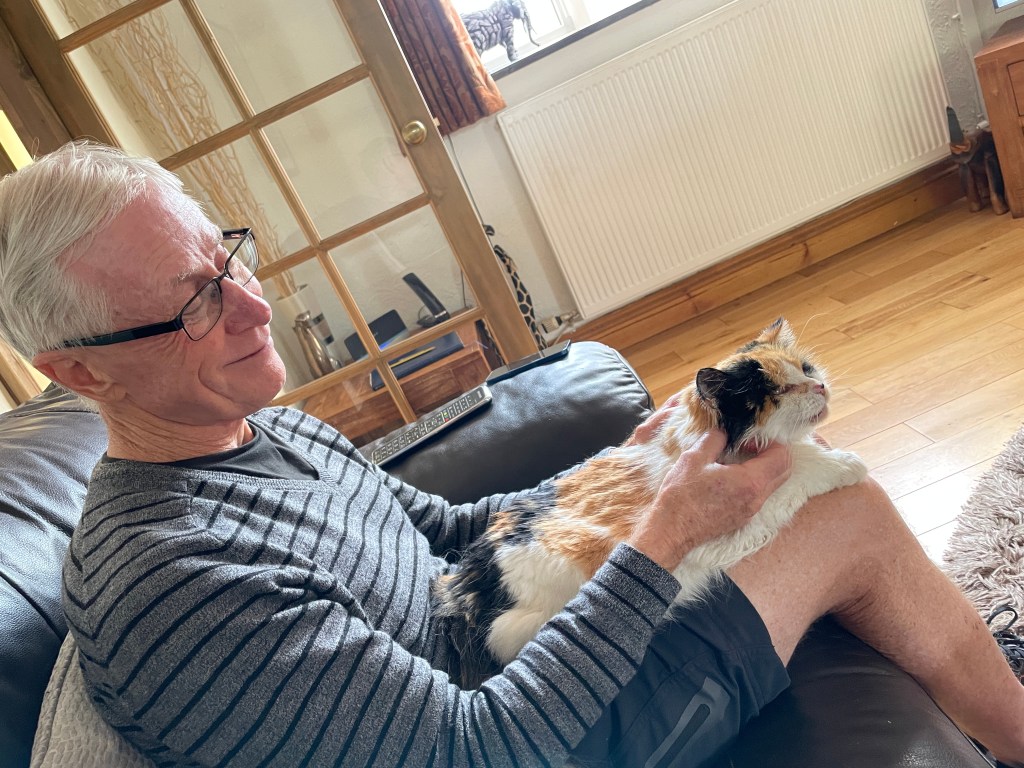
We deliberately choose housesits in locations away from big cities, and our weekend in Maesycrugiau was a perfectly remote location in Wales. Our hosts were very pleased to introduce us to their four cats and three chickens before they set off for a short break. The house was warm, thankfully, as the weather was not. There was a certain amount of organising of the animals with feeding and some medications to administer, but cats are very easy going and allow you to head out for short adventures. We had been told of a local cheese and gin factory about 20 minutes away, as well as a local food festival on the Saturday and encouraged to go – so off we headed. The cheese shop offered some tasty choices and we came away with some creamy Caerphilly and a small bottle of gin – all made on the farm. Heading another 20 minutes to the small town of Lampeter , we wandered around artisan food stalls and take in the atmosphere of a Welsh market day. It was an interesting day out on small country roads. Again the rural feel was not too far removed from memories of rural NZ 40+ years ago. The joys of housesitting mean we get to catch up on laundry and home cooking, as well as the company of cats dogs and various other pets. The chickens at this sit were very people oriented, and one in particular loved being cuddled. On a July summer’s day, we lit the fire and hunkered down during a wet and cold Sunday, thankful we didn’t need to walk dogs. Once again, our weather curse has followed us!
We had 5 days to get across country to the Northeast coast for our final housesit, and we planned to revisit York, a brief encounter with this beautiful city over 13 years ago sparked our interest in “doing England properly” one day. Chris’ parents were from Middlesbrough/Hartlepool area and a 6 month stay in the late 1960’s scarred a 9 year old Chris and meant he had nothing but cold, dark and miserable memories of England. It was time to banish those memories.
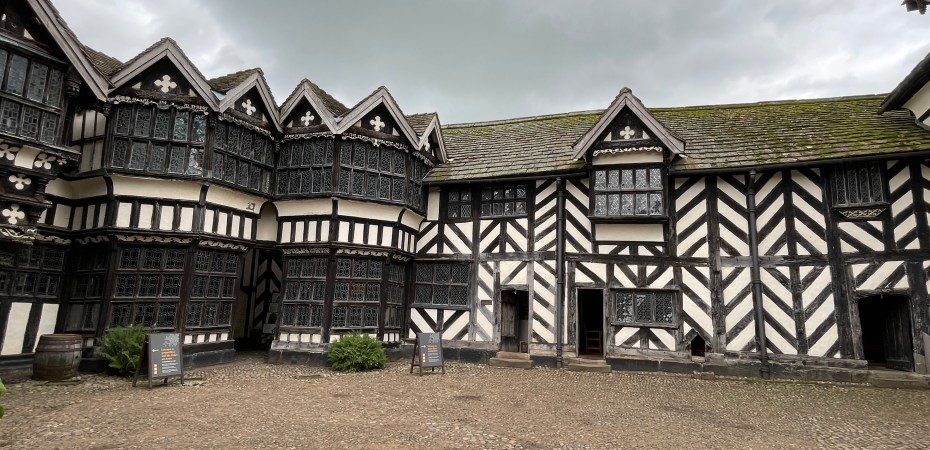
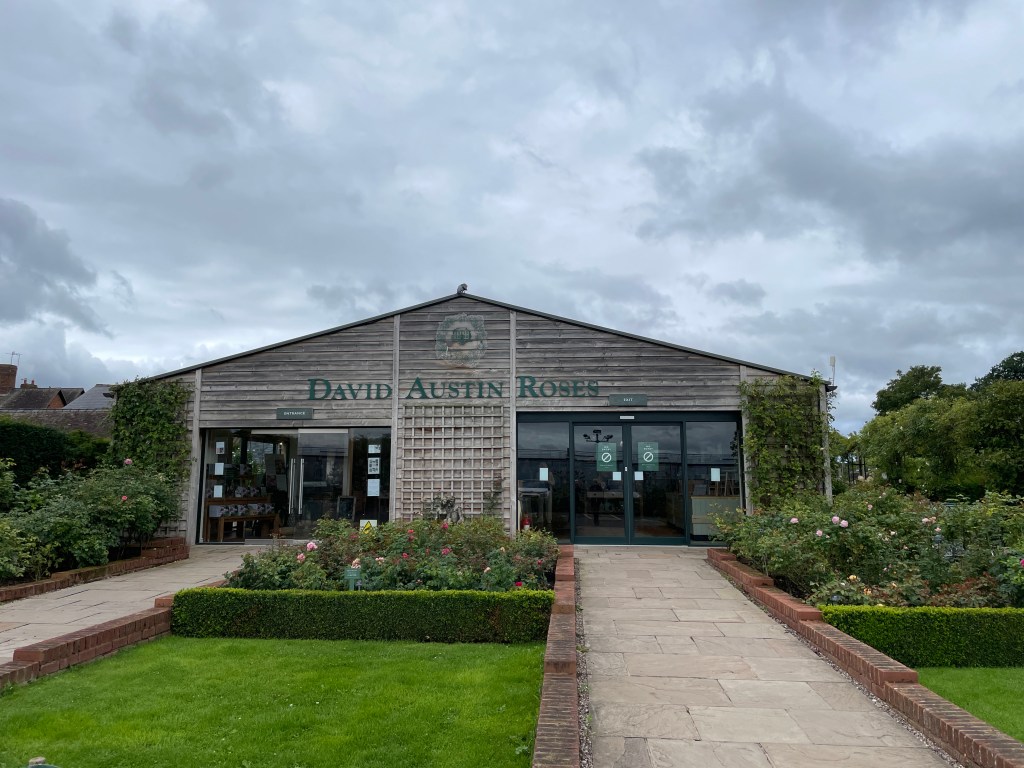
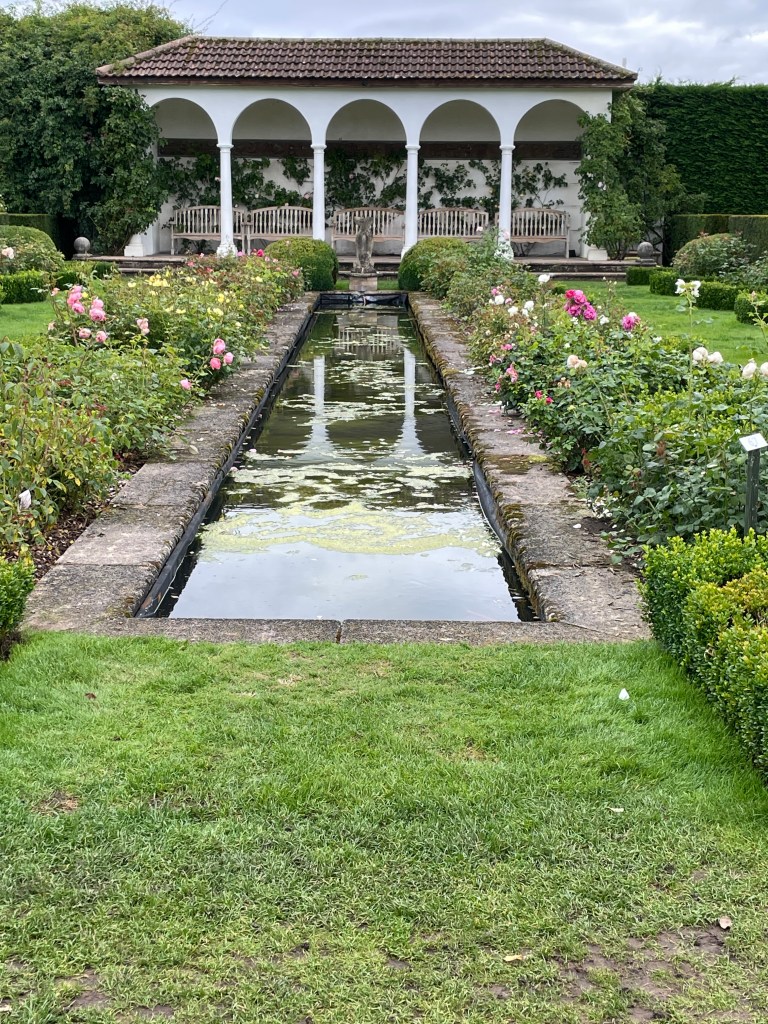
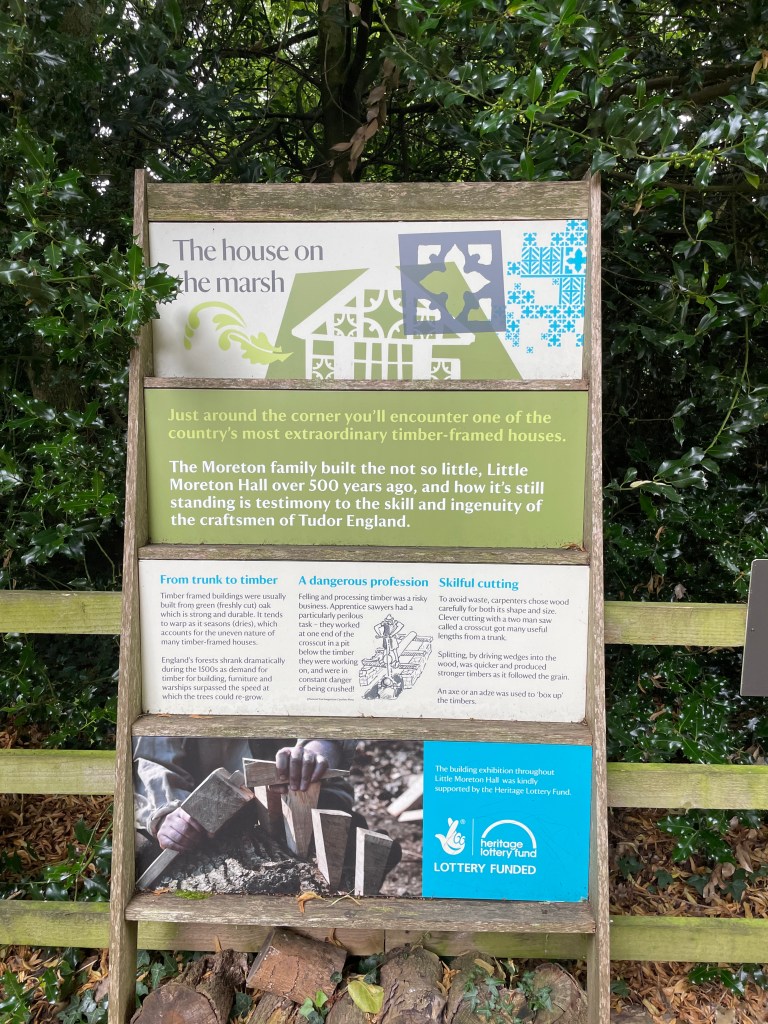
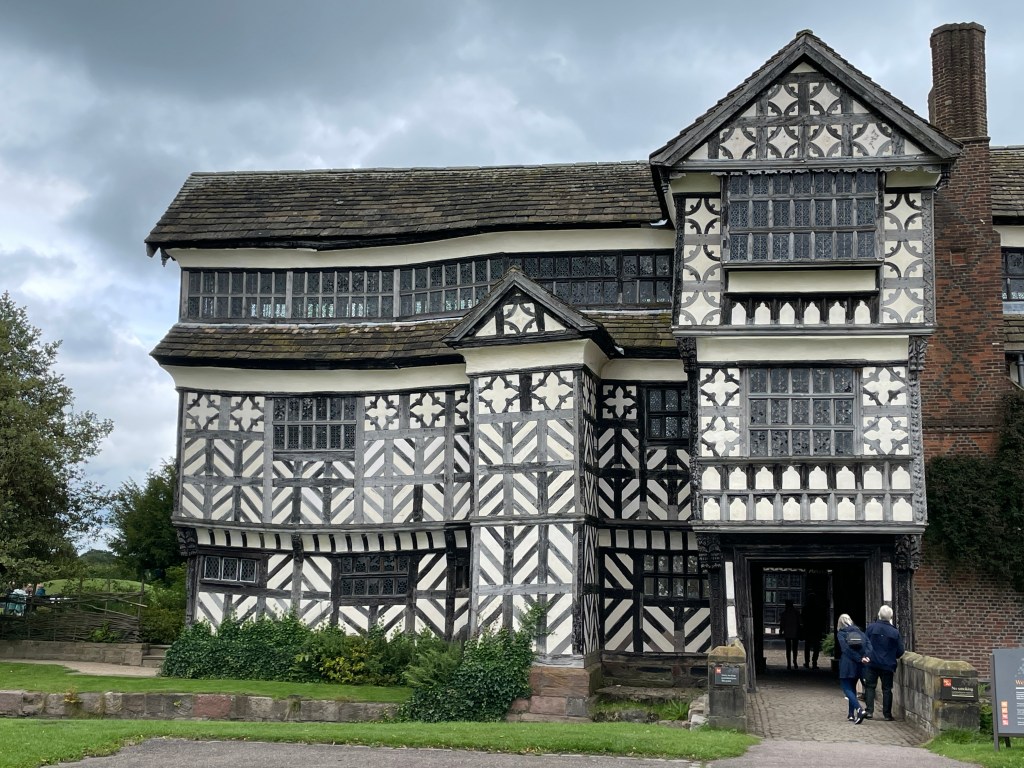
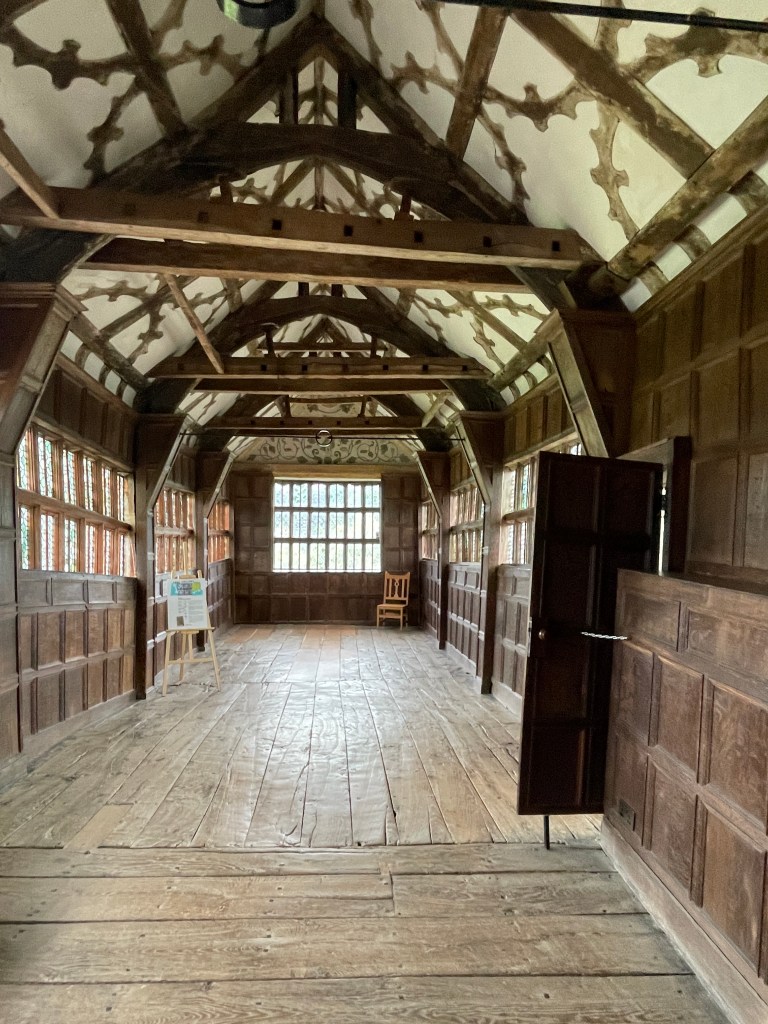
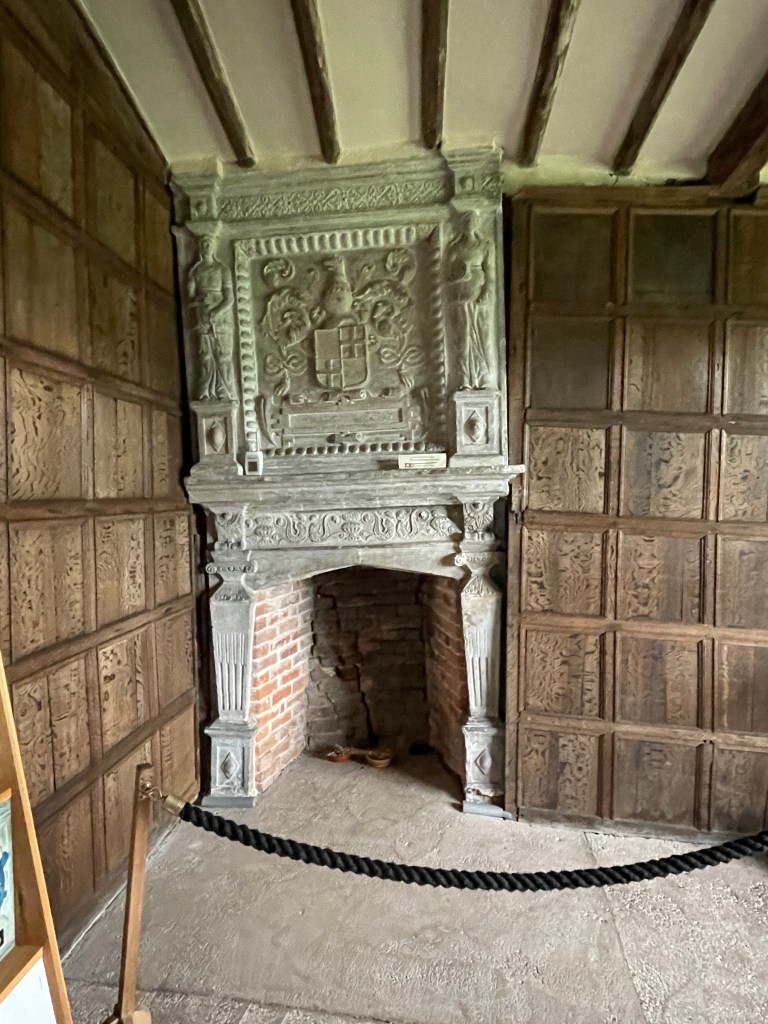
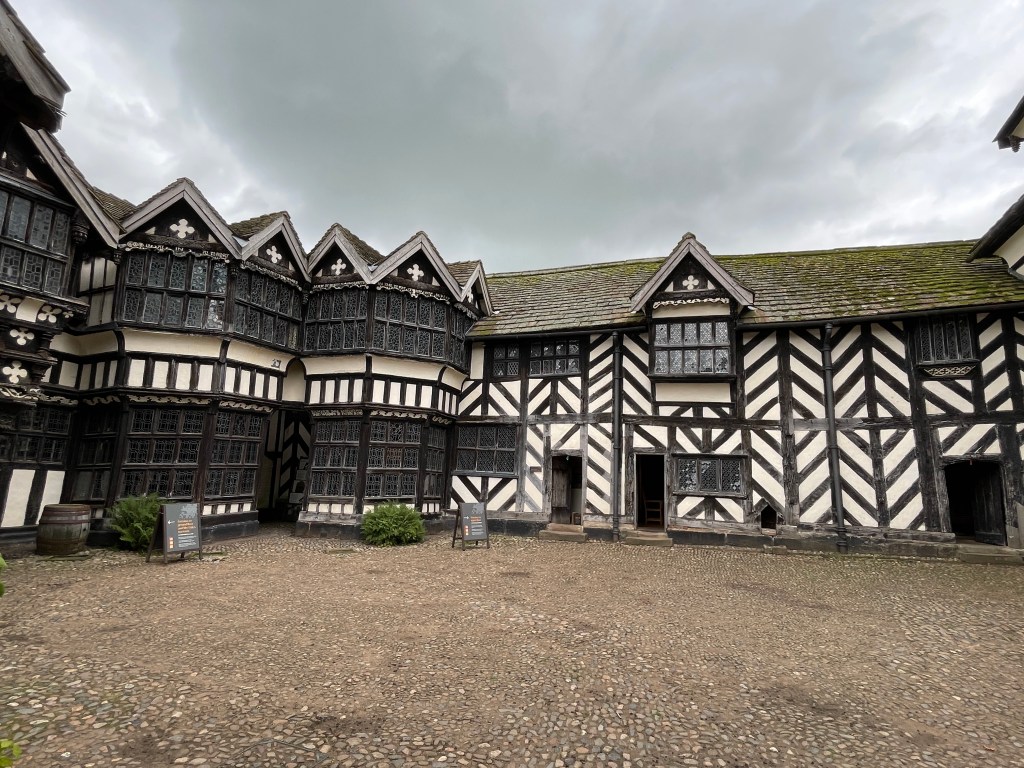
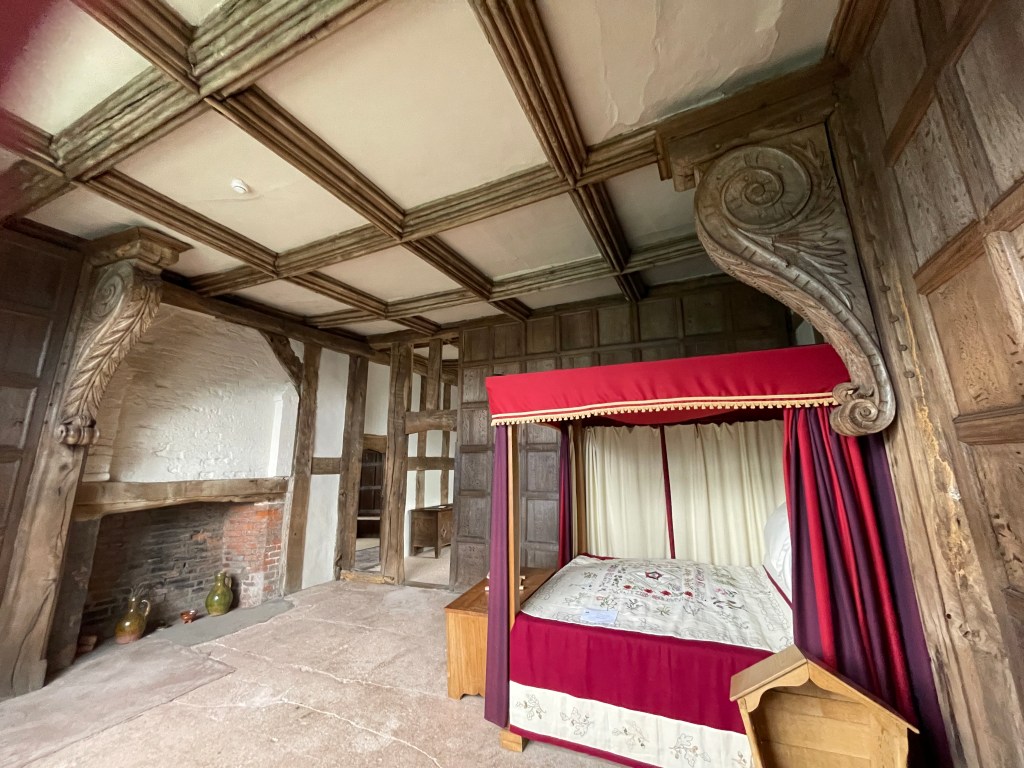
I had seen that on our route east, we passed by David Austin Roses in Shropshire, and I couldn’t resist the opportunity to drop in and wander. The roses weren’t in full bloom, but a catalogue and the roses that were out gave me plenty to add to my list for searching out when we returned home. Our B&B that night was a very old, very crooked Tudor farmhouse. The bedroom floor sloped up to the bed and down towards the tiny bathroom. It was very atmospheric, but nothing compared to the next National Trust property we happened upon. Little Moreton Hall was a sight to behold. The crookedness of the beams is due to green oak warping as it dries – the foundations were sound, but the walls were just so crooked. The long galley upstairs was used as an exercise room, where Tudor tennis was played indoors, the ladies could walk laps on rainy days, and dances were held. The house had been beautifully preserved and it was a treat to explore.
We then skirted Manchester to arrive at out B&B on the outskirts of York. It was lovely, but very wet, so umbrellas and raincoats added to the adventure of the day.
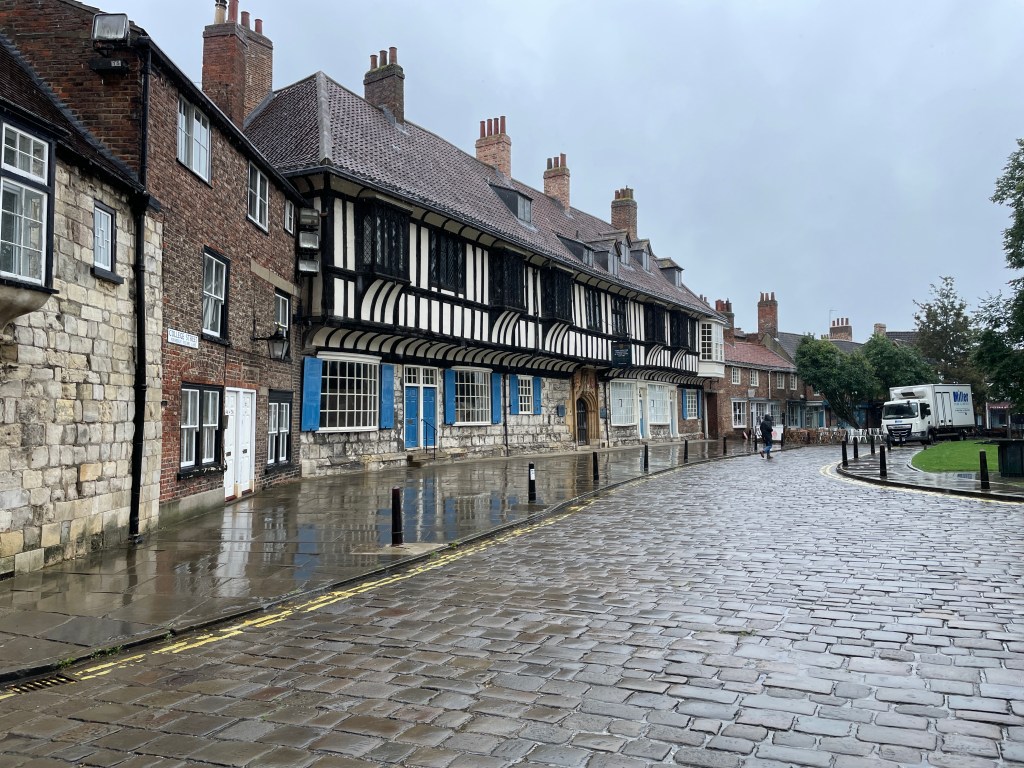
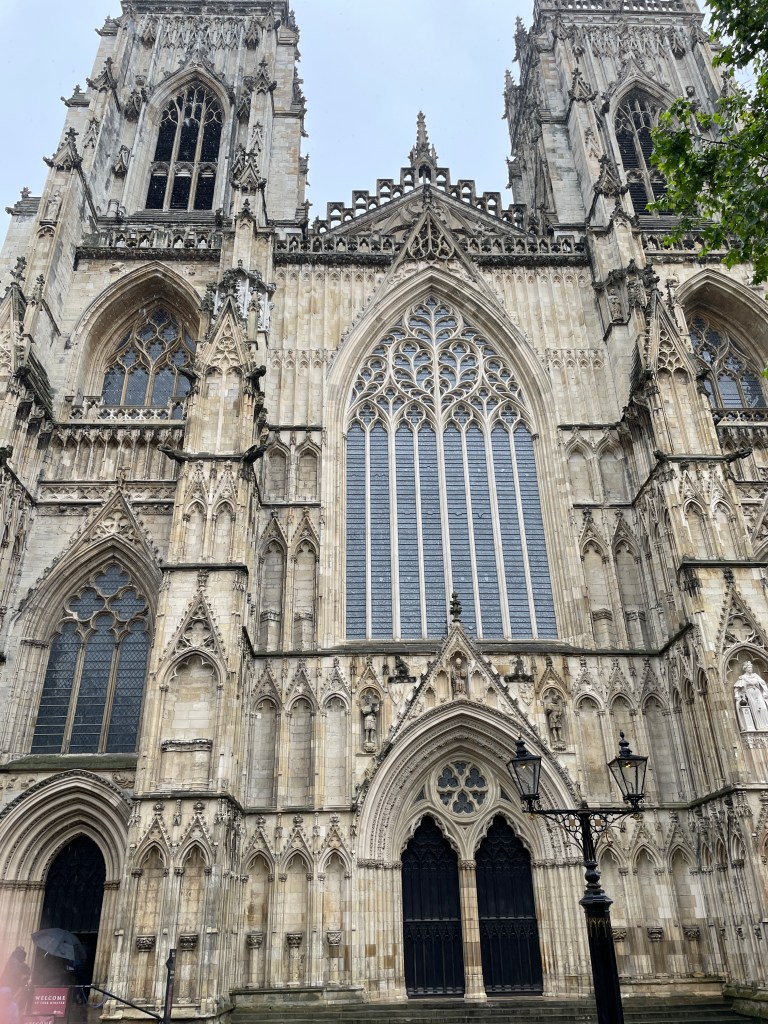
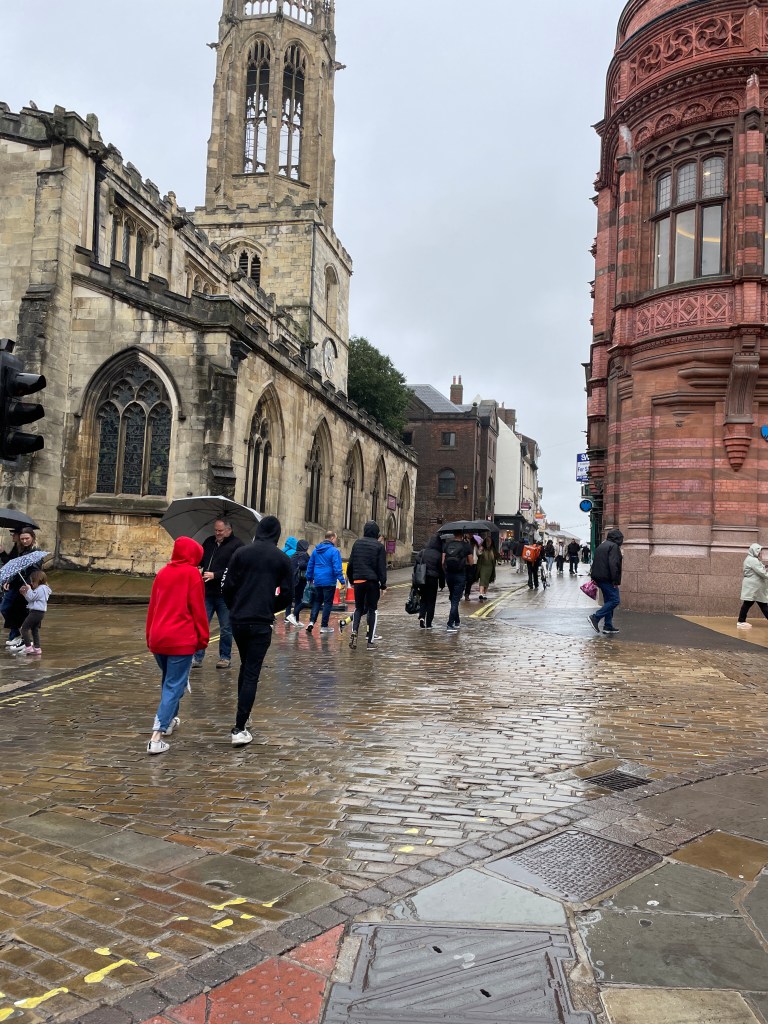
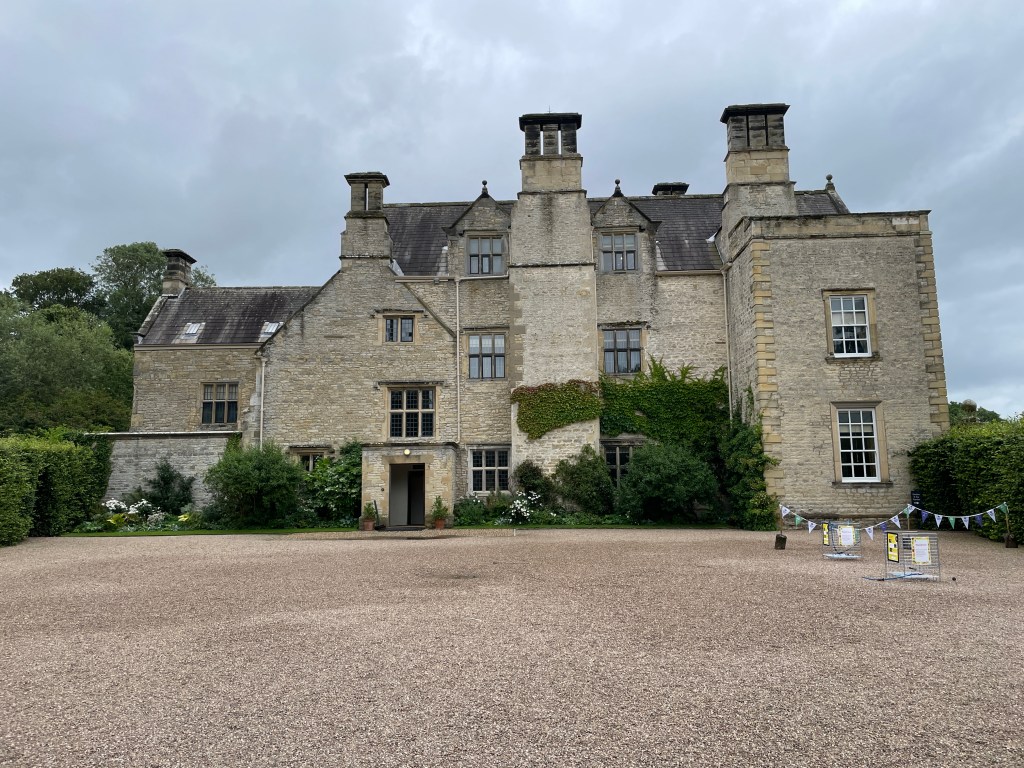
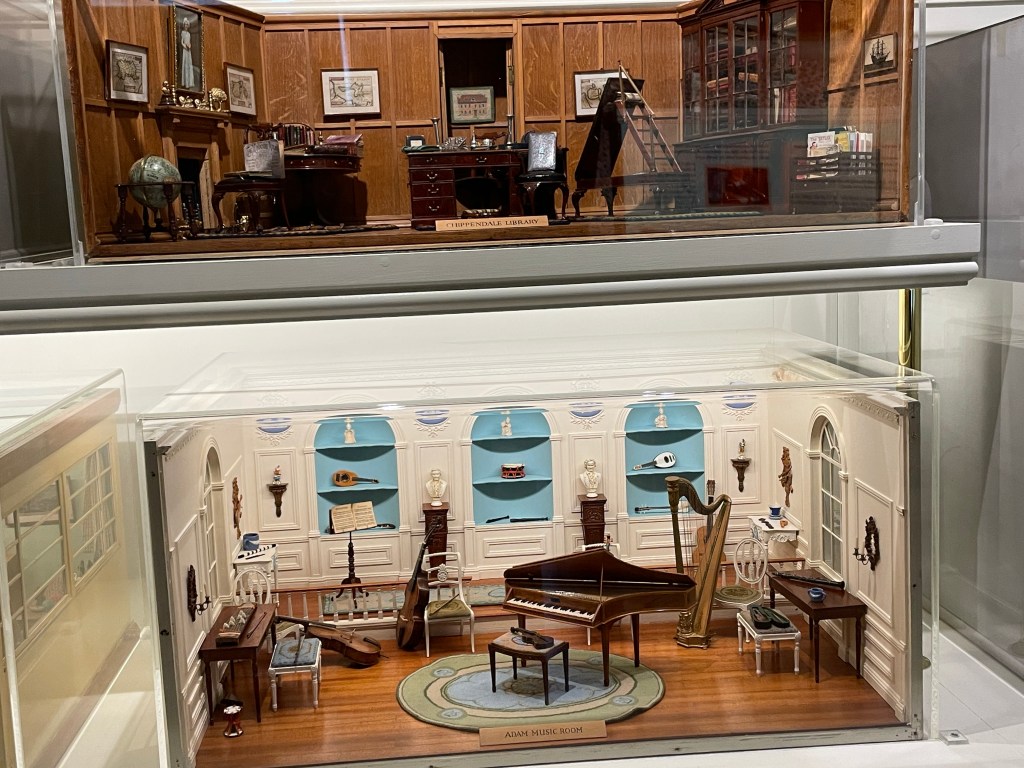
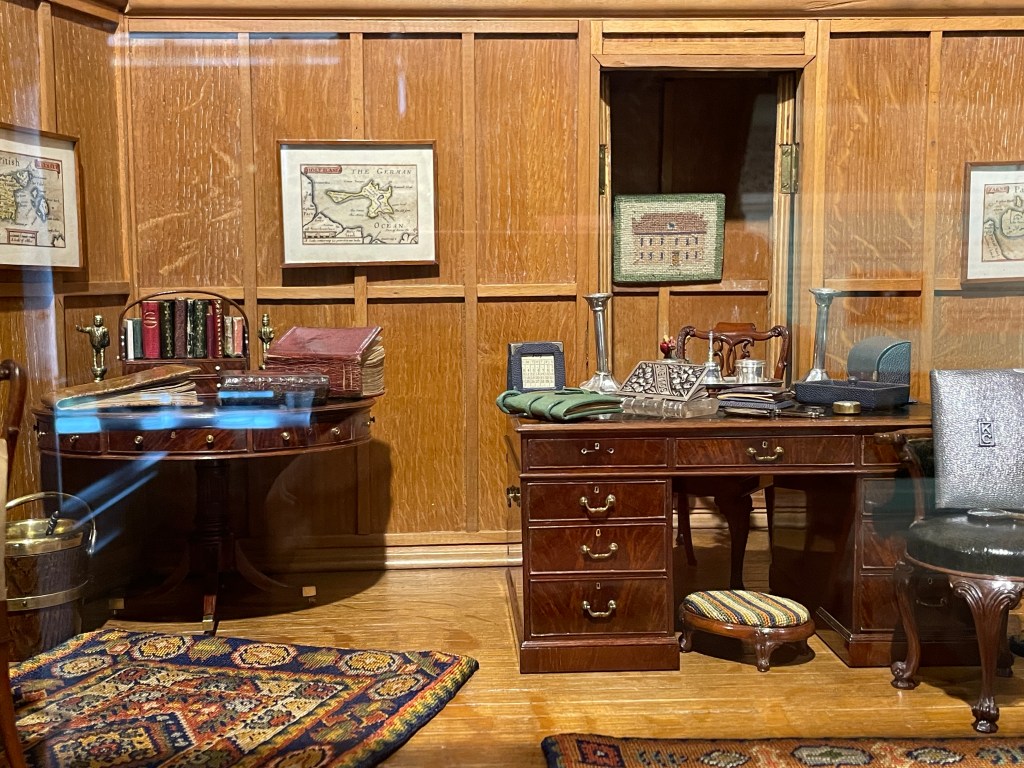
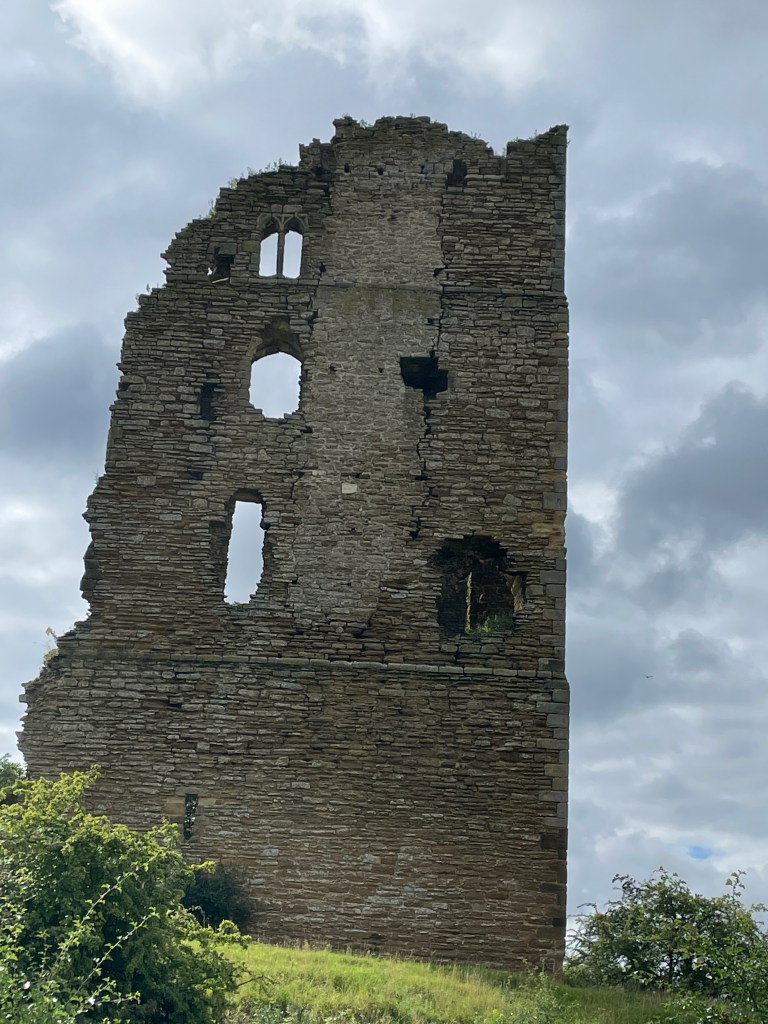
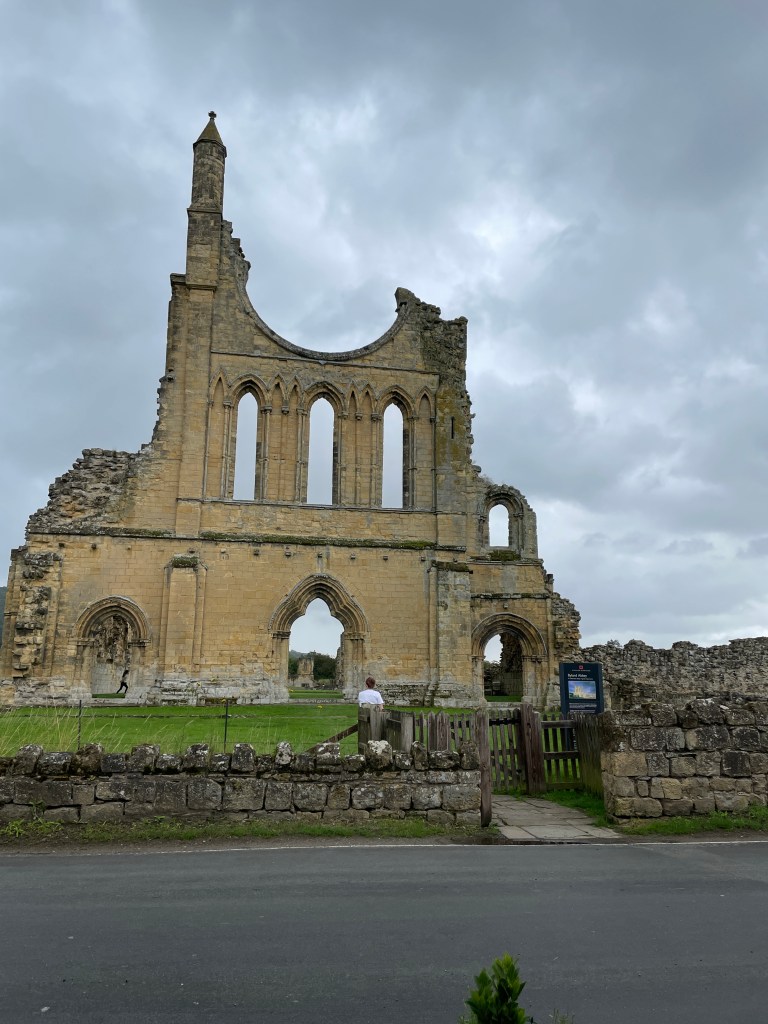
When in San Sebastian, other guests at our B&B suggested we catch up if we were nearby. Our route from York to Middlesbrough took us very close, so we made contact and met up at their home on the edge of the Yorkshire dales for lunch. We stopped off at Nunnington House on our way, marvelling at the display of miniatures in one of the rooms – such detail to reproduce working musical instruments and books with works of Shakespeare and so much more. Lovely gardens too, and then just along the road from our new friends’ place, the magnificent remains of Byland Abbey built in the 1100’s and disestablished mid 1500’s. There are so many ruins around this area, it’s fascinating finding out a bit of their history.
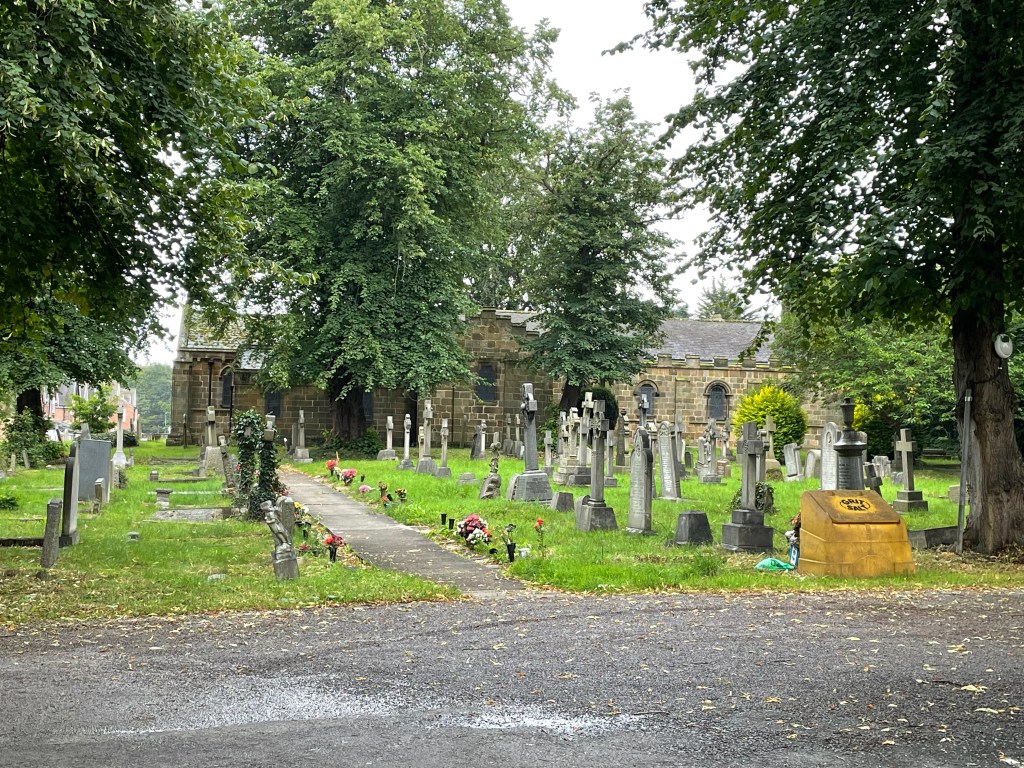
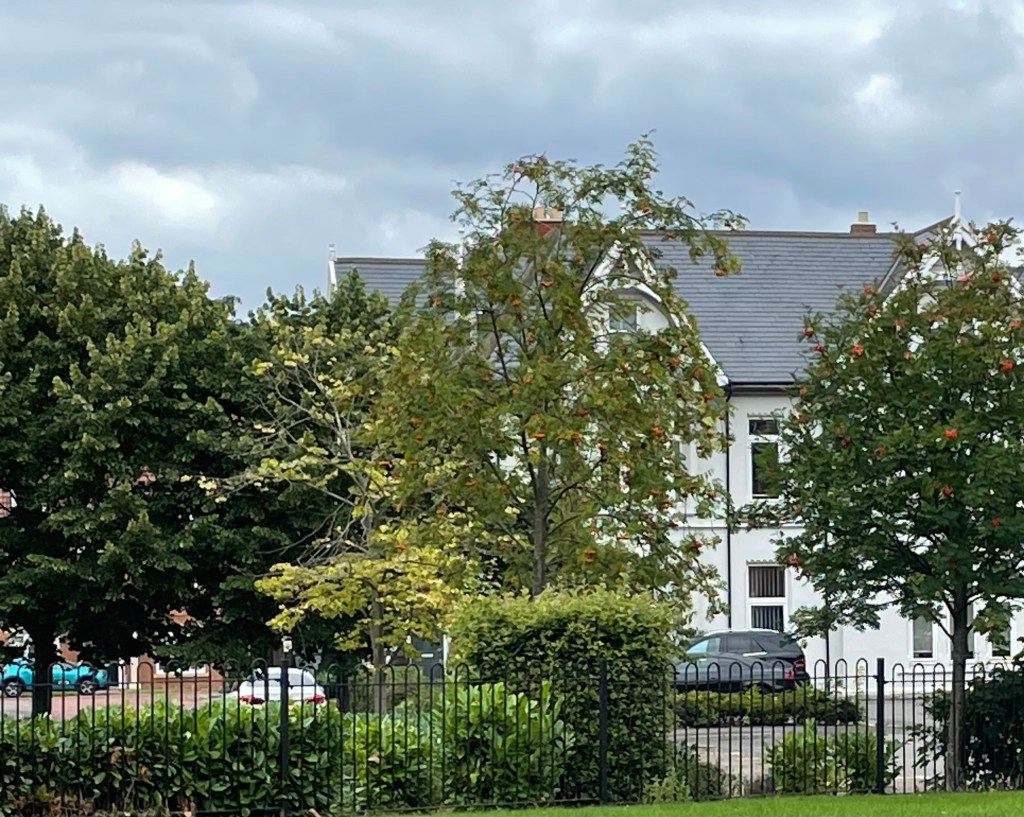
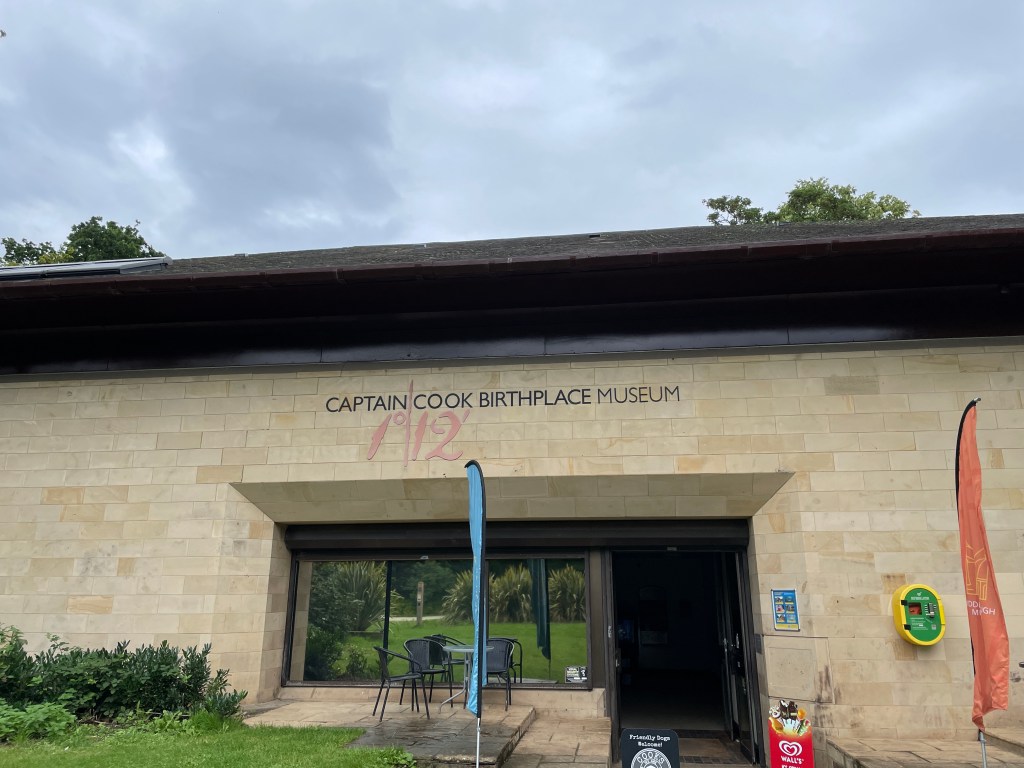
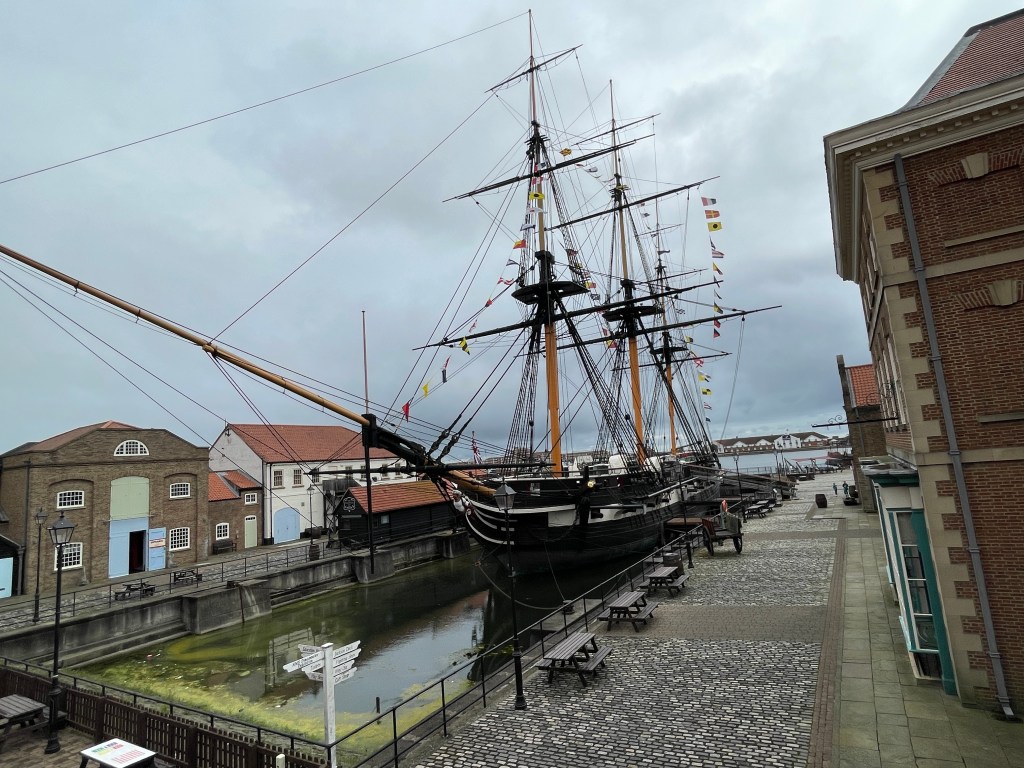
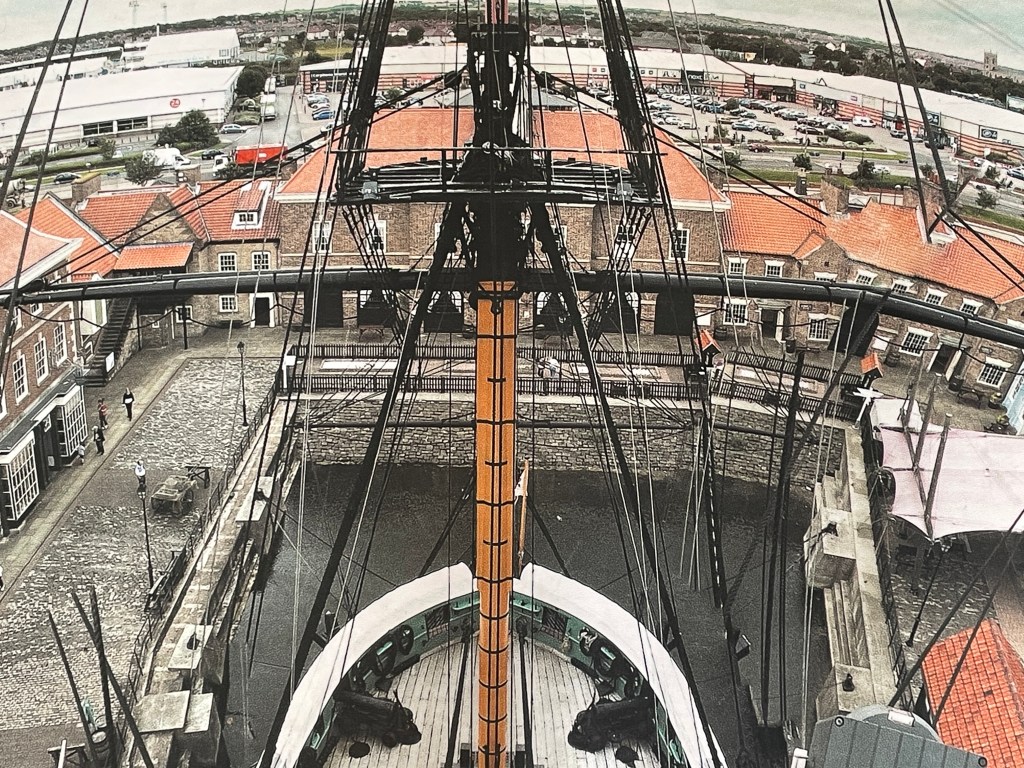
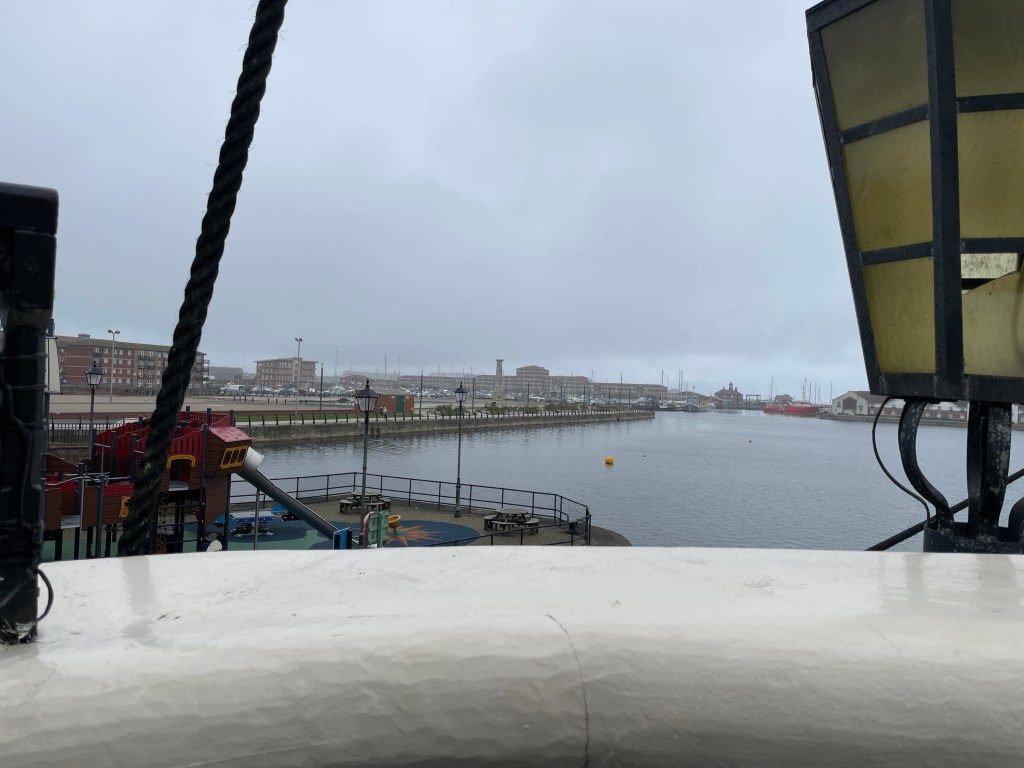
In 2011, our first visit to this region, had a special significance, as we were returning the remains of Chris’ parents to the churchyard where they were married. St Cuthbert’s church was first constructed in the 12 century and Capt. James Cook was christened here, being born very close by. A Victorian rebuild made the structure what it is today. Across the road is the Captain Cook birthplace museum and adjacent is what used to be a fine manor house where Chris’ mum worked for a number of years. Hartlepool was a shipbuilding and iron and steelworks town when Chris dad was born there in the early 1900’s, and the docks were a focus of industry. Today, there is a new marina and museum to visit, very different to the memories Chris has of the area. However, we did find the worst coffee of our trip so far, so bad we left our expensive purchase half finished on the tables.
We were looking forward to meting our final doggy companion soon, so it was time to move north into Northumberland.

 Kiwis on Adventure